The Centre de Recherche et de Documentation Africaine (CERDAF) was revived from an eight-year period of dormancy due to lack of personnel. Its reopening happened with a renewed sense of purpose and new goals namely running African Languages Program, offering Professional Training Workshops, and offering Interreligious Dialogue Sessions. These objectives needed to combine cultural research with practical training that responds to the most pressing social and economic needs of the youths around and the victims of displacement.
In the process of rebuilding CERDAF, we noticed already that on the one hand, the ICT section was crippled by unreliable power that was leading towards dependence on costly generators. This made regular classes and use of digital equipment unpredictable. On the other hand, the limited ICT equipment constrained the number of trainees who could benefit. The project therefore, was set with practical objectives: to install a stable, renewable energy source; expand ICT capacity so that it can train over a 200 young people each year; and to use those achievements to reduce socio-economic risks such as crime, drug abuse, sexual exploitation among the most vulnerable youth and the displaced.
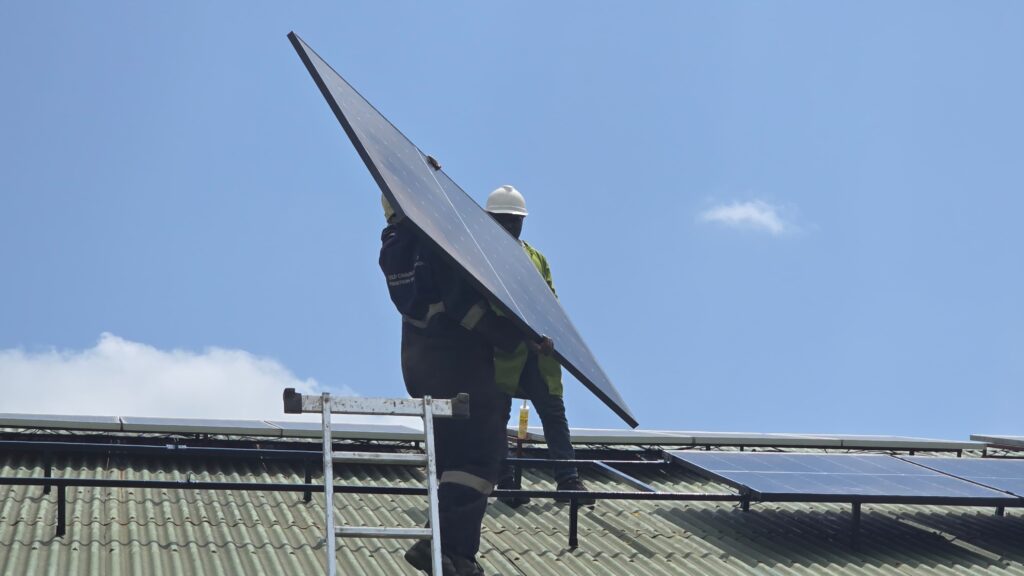
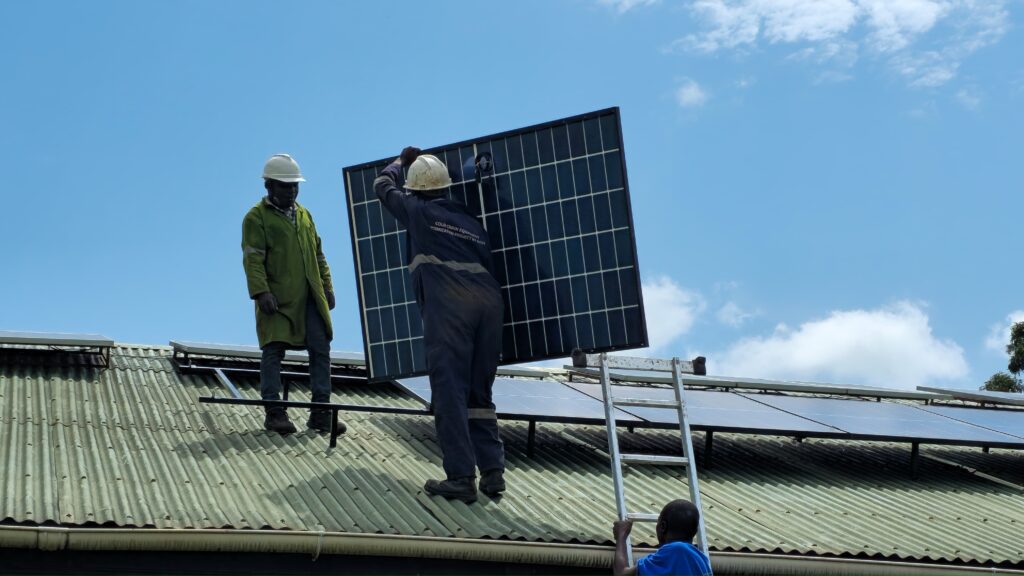
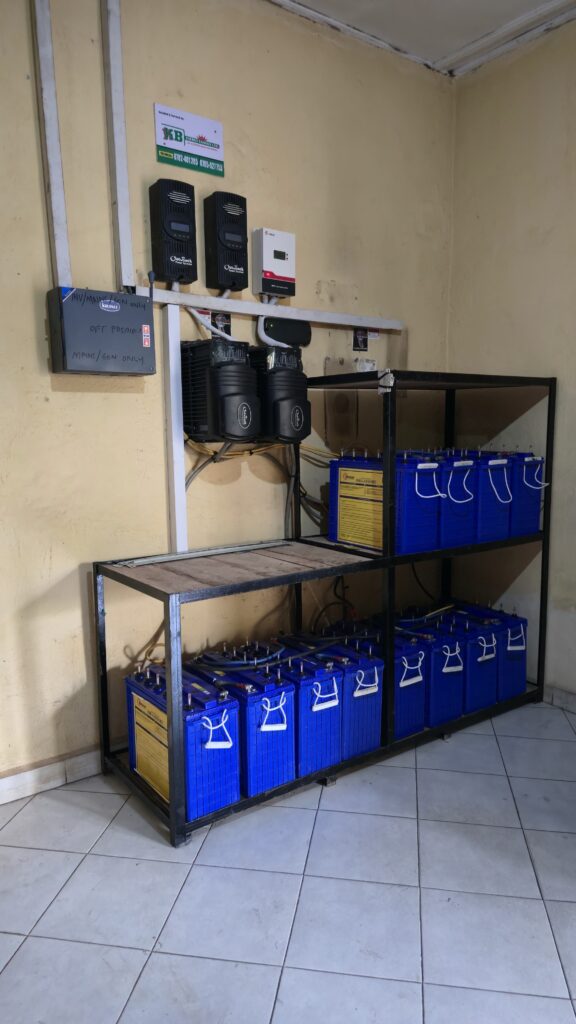
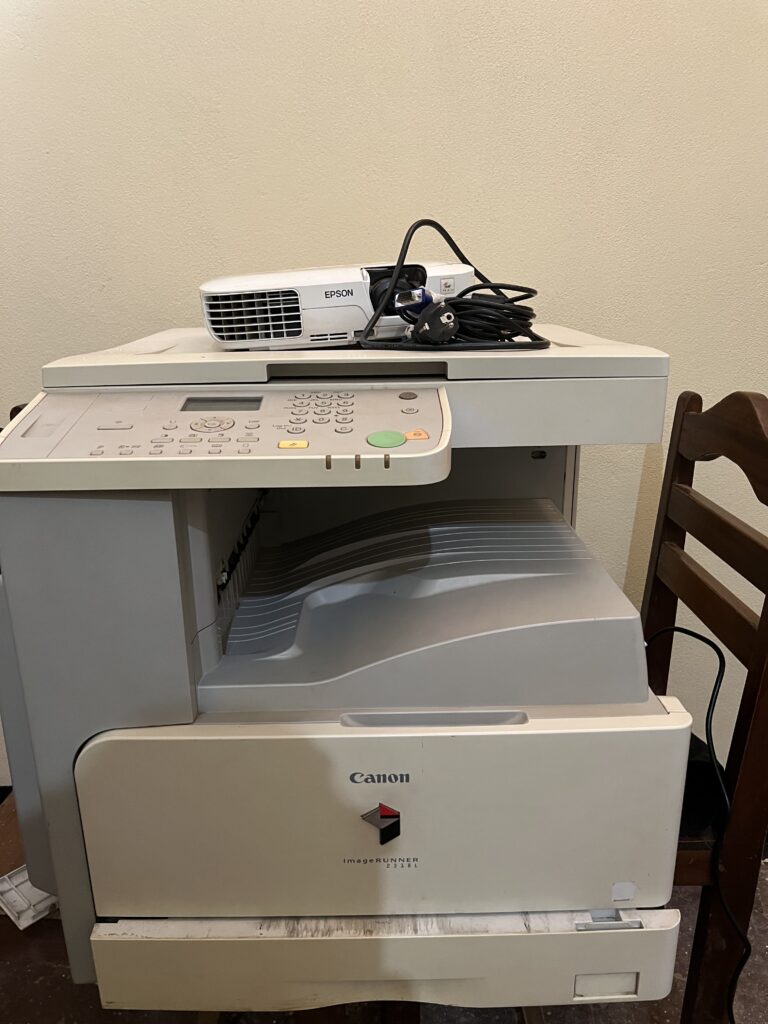
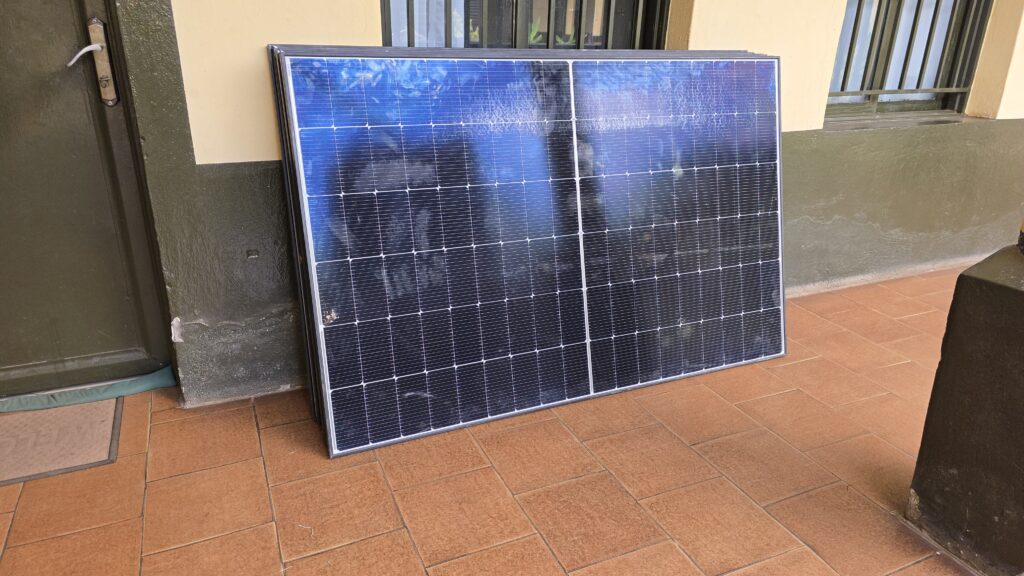
The translation of CERDAF’s vision into a concrete action began in November 2025 and ended on March, 30 th 2026. This involved procurement of printers, a projector, stabilizers and internet equipment paired with electrical protections and a full installation of a solar system. With the completion and having been tested, a final handover confirmed that the centre could now run uninterrupted sessions powered by clean energy. This reflects CERDAF’s commitment to prioritizing structures that guarantee continuity of learning and respond to the needs of the society. This project would have not been possible without a principal donation of Vastenactie (€12,000) to a project of a total cost of €15,755. For its completion, the Missionaries of Africa and CERDAF itself supplemented the contributions.
We express our gratitude for these donations that have rendered immediate and promising impacts. CERDAF now boasts of a stable, renewable energy source that reduces not only reliance on generators but lowers the operating cost. The expansion of the ICT section creates a room to benefit more trainees among girls and internally displaced persons to acquire marketable skills. In turn, this will lead to reduced exposure to sexual exploitation and strengthen community resilience. The turning from a vision to an action was not only necessary but it mattered. It demonstrates how renewable energy and modest digital infrastructure can unlock educational opportunities and restore institutional reliability. CERDAF is now ready to welcome students, researchers and donors to this new phase of its life.